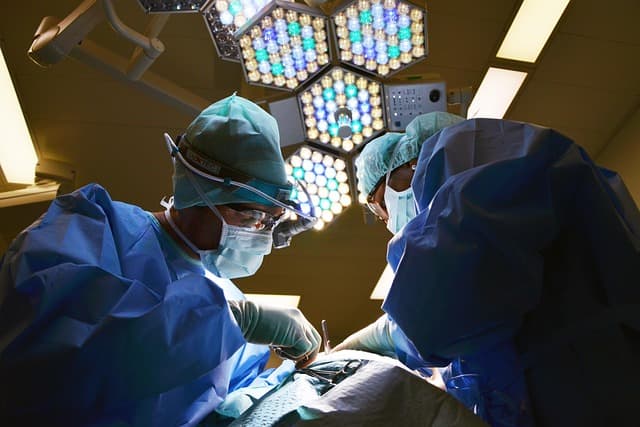
Doctors Without Borders (French: Médecins Sans Frontières, MSF), represented in the United States as MSF USA, is one of the leading humanitarian organizations providing independent, impartial and neutral medical assistance in more than 70 countries. Its goal is to field operational teams to save lives in conflicts, epidemics, natural disasters and health crises
Scale and structure
- At the end of 2023, MSF has more than 69,000 employees from 169 nationalities working in more than 70 countries.
- The U.S. office consists of 258 staff who are responsible for recruitment, fundraising, communications, and advocacy, but do not directly manage field operations
Performance Results
At the end of 2023:
- 16,459,000 consultations conducted, including 960,000 children under 5 years of age;
- 1,368,700 patients hospitalized;
- 28,464 operations performed;
- 79,298 births (including **8,519 cesarean births) were performed;
- 105,181 mental health counseling sessions;
- 7,705 victims of sexual assault were treated.
MSF also immunized hundreds of thousands of people during outbreaks of measles, cholera, diphtheria, and tuberculosis.
Crises and emergency operations
Ukraine (2023)
MSF provided more than 8,000 mental health counseling sessions in seven regions of Ukraine while providing first aid in the conflict zone.
Nigeria
In the North West Nigeria region, 10,200 severely malnourished children were treated in 10 stabilization centers between January-May 2023.
Panama and migrants from the Darien Delta
During the three-month period, 669 patients with chronic diseases were treated – almost three times more than in the same period a year earlier.
Syria and the 2023 earthquake
MSF mobile clinics provided 1,550 medical consultations and 670 psychosocial support sessions in Jindires during the first month of operation after the disaster
Sudan (Darfur)
In Darfur, MSF reorganized a small maternity clinic into the region’s main trauma hospital, treating more than 1,000 injured patients.
Operating principles
- Independence, neutrality and impartiality: care is provided regardless of political, religious or ethnic factors.
- Ethics: respect for patients’ rights, dignity, confidentiality and informed consent.
- Testimony (témoignage): MSF speaks openly about humanitarian disasters when others remain silent
- Transparency: 87 cents of every dollar donated goes directly to medical programs. Only about 12% of funds are used for fundraising and less than 1% for administration.
Medical Directions and Innovations
- Working with conflict: nearly a quarter of MSF’s projects focus on populations affected in conflict zones.
- Response to epidemics: mass vaccination and treatment of measles, cholera, diphtheria, ebola and other diseases as part of emergency response.
- Assistance to migrants and refugees: primary health care, vaccination, nutrition, sanitation and psychosocial support.
- Reaching remote regions where treatment is often impossible for other organizations – thanks to mobile clinics and logistical staff.
Risks and challenges
- Attacks on MSF facilities: one of the most high-profile events was an airstrike on a hospital in Kunduz, Afghanistan, in 2015, when at least 42 people, including MSF patients and staff, were killed. The organization declared it a possible war crime.
- Staff security: MSF staff work in a high-risk area, sometimes facing threats, detention and harassment.
Conclusion
Doctors Without Borders (MSF USA) is an organization that is not afraid to be the first on the scene of a crisis and the last when most have left. Its principles are medical ethics, independence, transparency, and honesty in actions and words. Looking at the millions of consultations, surgeries, vaccinations, and births provided, it is safe to say: MSF saves lives where others do not reach.