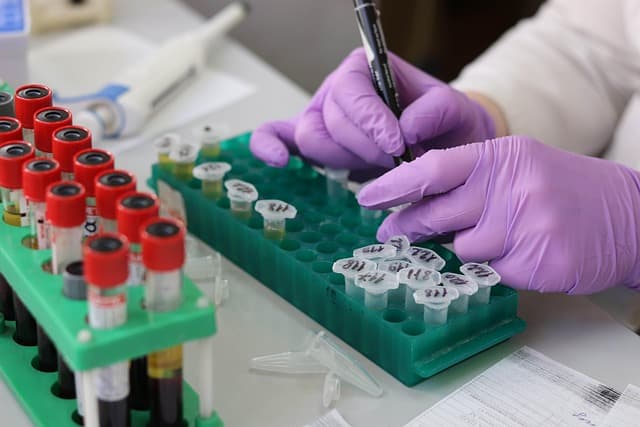
St. Jude Children’s Research Hospital is more than just a medical facility. It is one of the world’s most renowned centers for the treatment and research of serious childhood diseases, especially leukemia and other pediatric cancers. Founded in 1962 in Memphis, Tennessee, the hospital has become a symbol of hope for families facing their most dreaded diagnosis.
How it all began: Danny Thomas and the vow to help
Danny Thomas, a famous actor and showman, vowed early in his career that once he became successful, he would dedicate his life to helping sick children. Fulfilling that vow, he founded St. Jude, naming the hospital after St. Jude Thaddeus, the patron saint of hopeless cases.
His idea was radical: to create a place where children with cancer could receive the best treatment regardless of race, religion, or financial background, and medical research could be freely disseminated for the benefit of the world.
Mission and Activities
St. Jude’s mission remains unchanged:
- “Treating children. Defeat cancer. Saving lives.”
The main areas of work are:
- Treating children with cancer and other life-threatening diseases.
- Research in cancer, genetics, therapeutics and vaccines.
- Educating physicians and medical staff from around the world.
- Knowledge dissemination – all of the hospital’s scientific advances are open to the global medical community.
Scientific achievements
St. Jude is also a pioneering research center whose staff has made significant contributions to the global fight against cancer:
- Increased the survival rate for children with acute lymphoblastic leukemia (ALL) from less than 20 percent in the 1960s to more than 90 percent today.
- Developed treatment protocols used around the world.
- Launched the Pediatric Cancer Genome Project, one of the largest of its kind.
- Created the unique St. Jude Cloud, an open access platform for genomics data.
Funding and Transparency
St. Jude is a non-profit organization registered as a 501(c)(3) in the United States. Its operations are funded solely by donations.
Financials:
- More than $2 billion in donations collected in fiscal year 2021.
- Operating expenses are about $1.7 million per day.
- Parents never pay for treatment, lodging, food or transportation.
Mission quote, “No child should die at an early age.”
Who is treated at St. Jude?
- Patients from birth to 21 years of age, and in some cases up to 25 years of age.
- The main focus is cancer, leukemia, neuroblastoma, brain tumors, anemias, immune disorders and other serious diseases.
- Patients from all over the world are referred to the hospital for unique treatment programs or clinical trials.
Global Impact
St. Jude is also active outside the United States:
- It leads the St. Jude Global program, partnering with hospitals and cancer centers in 60+ countries.
- The goal is to educate, support and build localized childhood cancer treatment systems in resource-limited countries.
Support, volunteers and community
The hospital is actively supported by millions of donors, volunteers and celebrities. Charity runs, online campaigns, telethons and cultural events are organized. Support for St. Jude has become a national cause in the United States.
Conclusion
St. Jude Children’s Research Hospital is more than just a hospital. It is a place where medicine, science, compassion and faith in life come together.
It is a center that every day brings humanity closer to making childhood cancer not a death sentence, but a curable disease.
Through its example, St. Jude shows how one person’s dream can save millions of lives.